
Bridge To Home: Practical, Family-Centred Support with a Gold Coast Family Counsellor and Parent of Four Neurodiverse Children
Updated: Apr 16

There was a time when I was the one sitting in the back of workshops — notebook open, heart desperate for something that would help.
While raising four incredible, intense, neurodiverse boys largely on my own, I was exhausted. I loved my children deeply… and I was completely overwhelmed.
Every workshop gave me hope. I would leave thinking, This is it. This will change everything.
And then a few days later, reality would hit. The strategies weren’t wrong.
The presenters weren’t wrong. But when you’re already at capacity — when your nervous system is stretched, when the house is loud, when everyone needs you at once — even good advice can feel like one more thing you’re failing at.
I’ve been in the trenches, wondering if it would ever get easier.
Some days, the only wins were what didn’t go wrong. But the hard work paid off, and now — despite ongoing challenges — my kids amaze me every day. I’ve seen the same transformation in the families I support.
I don’t share this because I have all the answers. I share it because I remember how alone it felt.
That’s why I care so deeply about the work I do now as a Gold Coast family counsellor. Families don’t need more pressure. They don’t need perfection. They need support.
They need someone to walk beside them through the hard days — the landmines, the meltdowns, the exhaustion — and help them find small, sustainable changes that actually fit their real life.
If you’re in the thick of it right now, please hear this:
You are not failing. You are not alone. And you don’t have to do this without support.
It really does take a village — and I’d be honoured to walk alongside you.

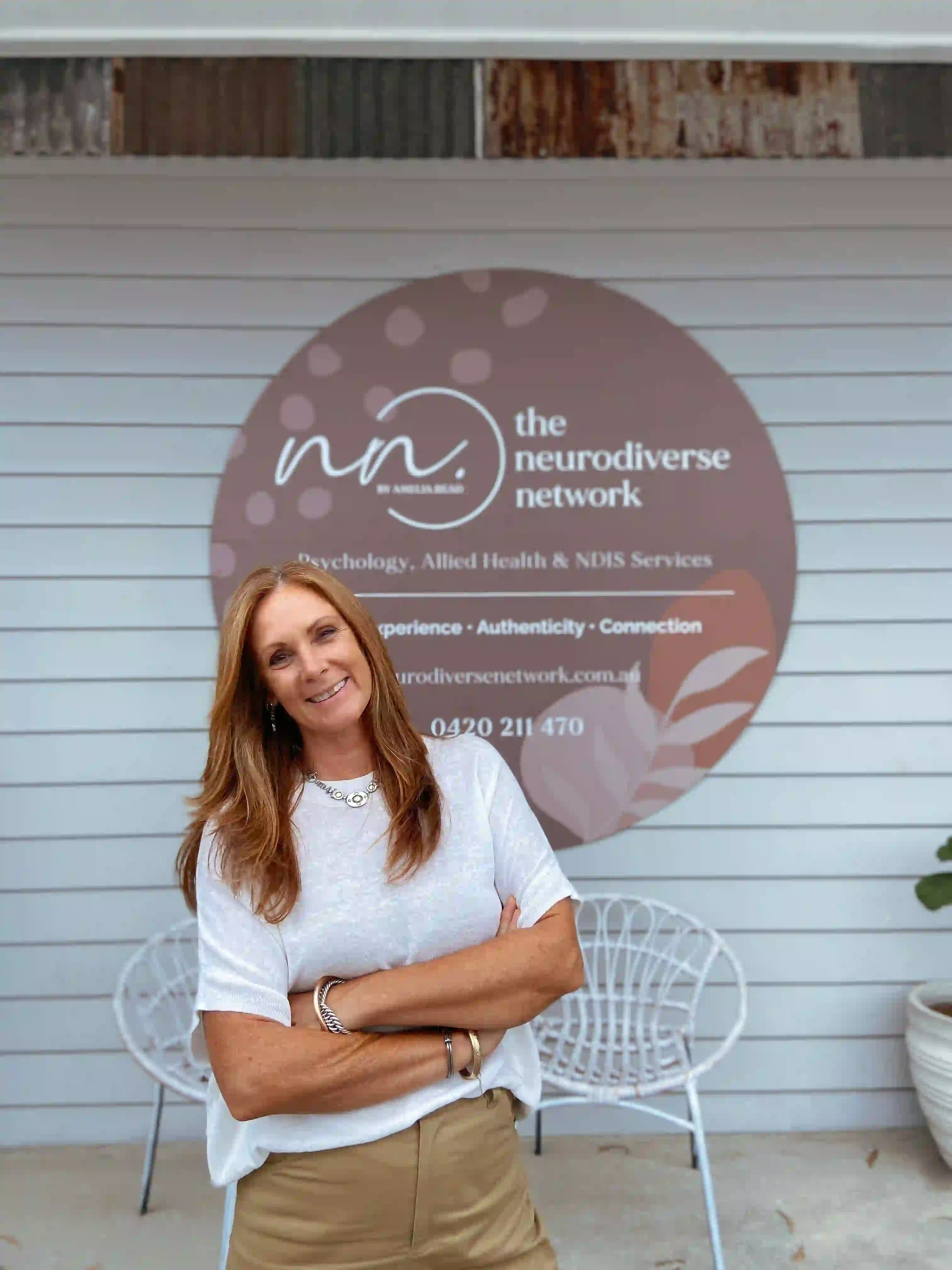
Hi I’m Monica. I’m a registered counsellor, but more importantly, I’ve lived the chaos and joy of raising four incredible, neurodiverse boys largely on my own. I know what it feels like to be running on empty, to want things to be calmer at home, and to wonder if you’re doing it “right.”
Through my counselling service and the Bridge to Home program, I walk alongside families, offering support, practical ideas, and a reminder that you’re not alone. If this feels familiar, you’re always welcome to reach out — even just to have a chat.
With me, you get practical support and guidance — plus I bring lived experience I mention above. I hope to assist parents in applying the practical knowledge to the everyday situations in the home.
Bridge to Home FAQ:
A 6-week personalised program to help you turn parent education into real-life support at home.
Using Amelia Read’s CCS parenting model, we work together to create targeted, tailored, sustainable changes — practical and emotional support designed for your family, where every member is considered and your story truly matters.
How it works:
Initial 2-hour session including planning time
Discuss your family’s “hot zones,” challenges, and goals.
Observation & monitoring
I’ll observe tricky moments like meal or bedtime routines to understand your needs.
One-on-one coaching
Together, we’ll problem-solve and build strategies that fit your daily life.
Ongoing support
Mix of home visits and coaching to help you reach your goals step-by-step.
What you’ll gain:
Real strategies that may work in your home
Clearer routines that may lead to less overwhelm
Support from someone who truly gets it

Common Bridge to Home Questions
What happens if in the observations, there aren’t any behaviours or anything to warrant advice?
If during the observations there aren’t any behaviours or challenges that need immediate advice, that’s totally okay! We can then focus on any new or ongoing tricky situations that have come up recently — something that’s been challenging for you or your family over the last week or so. This way, the support stays relevant and tailored to what matters most to you right now.
What happens if my child is on their best behaviour with you around?
It’s really common for children to be on their best behaviour when someone new is around — sometimes they mask their feelings or get curious and excited, which can make things seem easier than they actually are. If that happens, we can focus on a recurring challenge you’ve noticed at home. If you’re comfortable, we can also gently explore that with your child to better understand what makes those situations tricky for them. This way, the support stays honest and helpful for your family.
How long are observation appointments for approx?
Initial intake appointment with Parents only will be a 90 minutes face to face session and the follow up observe and monitor appointments will last 50 minutes.
What’s the difference between doing Parent Ed & Bridge to Home? / Benefits of Bridge to Home?
Parent Ed gives you the why — the ideas, strategies, and insights behind supporting your child. It’s a great starting point, but sometimes knowing what to do doesn’t make it any easier to put into practice at home.
Bridge to Home is different. It’s about taking those ideas and making them work for your family. Together, we look at your unique challenges and routines, and I help you build practical, manageable ways to bring positive change. You’ll have support, guidance, and a plan that actually fits your life — so the strategies don’t just stay in theory, they make a real difference for your child and your family.
What happens if one parent is reluctant to implement the program?
It’s very common for one parent to feel hesitant about trying something new. This can come from feeling overwhelmed, different life experiences, or worry about doing things “wrong” when you’re already doing your best. Some parents need to understand why a strategy works, while others just want to know what to do.
From experience, even if only one parent begins implementing changes, things can still shift. Often, the other parent needs to see those positive changes in action before they feel ready to join in. Remember, it only takes one link to make a difference. Change might take time, but it’s absolutely possible — and every small step matters.
What happens across split families?
If both families are willing, they can be supported in the same way to help create consistency and positive change. However, I understand this isn’t always possible and that can be frustrating.
Even if only one home is involved, things can still shift and improve there. Small changes in one place can make a big difference for your child and family.
What kind of questions will you go through in the initial?
In the initial session, we’ll explore your family’s hot zones — the routines or situations that feel most stressful or challenging. You’ll share what’s working, what hasn’t, and what you’ve already tried, because you know your child best.
We’ll also talk about what feels most overwhelming for you, so we can create a realistic plan tailored to your family. If you’re unsure about what’s causing upsets, I’ll be there with you to gather information, explore patterns, and trial ideas to support your child at home.
The goal is to get a clear picture of your family’s needs so the 6-week Bridge to Home program can focus on practical strategies that really make a difference.
What will 1:1 sessions look like?
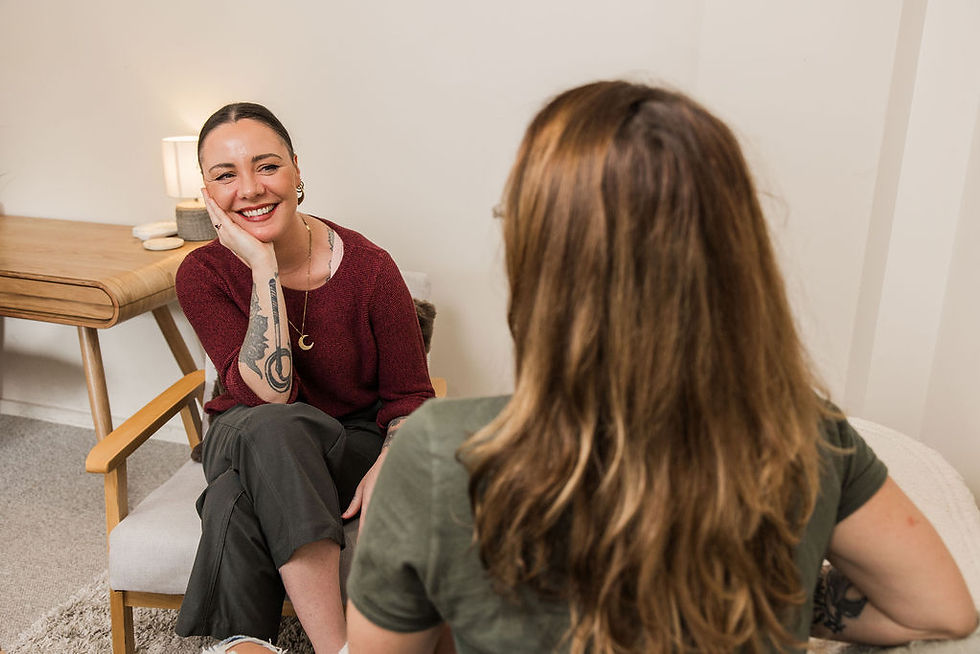
The first session is just with you — parents or carers only — so we can talk openly and without interruption. When our kids are around, it can be hard to share honestly because we don’t want to hurt their feelings or feel guilty about our own. This time is for you to speak freely about what’s happening.
We’ll explore the current and recurring challenges that feel most pressing for your child and your family. You’ll share what you’ve tried and what you think might be the root of the issue, because you know your child better than anyone — but don’t worry if you feel stuck. I’ll be there with you to gather information, trial strategies, and test ideas to better understand the causes of upsets or friction.
The follow-up session will include your child, often during a challenging part of the day — or sometimes during a calmer time. I’ll observe routines, environments, and behaviours to gain new insights and offer different perspectives.
Sometimes we might try a new approach right then and there, or we’ll plan to implement strategies together in the next session, with support and scaffolding ideas tailored for your child.
Do I need to do Parent Ed first?
It isn’t essential — you won’t be excluded from Bridge to Home if you haven’t attended Parent Ed. However, we’ve found it can be really helpful if you have, or at least are registered to attend a future session.
Think of it like building a house: the Parent Ed program lays the foundations, and Bridge to Home helps you build on them.
You’ll get more out of the program if you already know the basics from Parent Ed, but either way, Bridge to Home is designed to meet you where you’re at and provide practical, tailored support for your family.


Comments