
Gold Coast EMDR and CPT for trauma therapy
- Goldy Albu
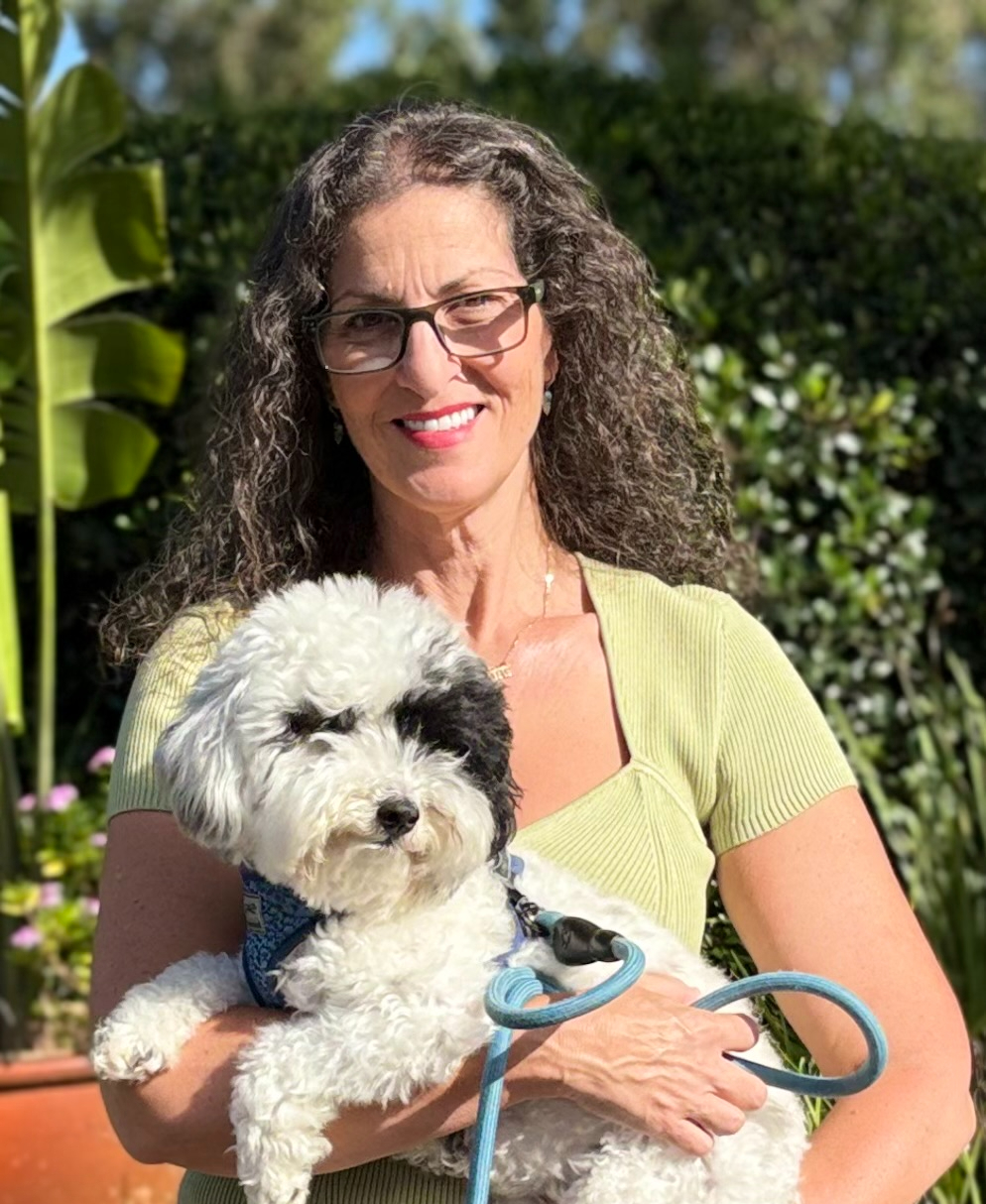
- Mar 31
- 4 min read
Updated: May 19

EMDR vs CPT in Trauma Therapy: What’s the Difference and What Works Best?
When it comes to trauma therapy, there isn’t a one-size-fits-all approach. Two highly effective, evidence-based therapies often used are Eye Movement Desensitisation and Reprocessing (EMDR) and Cognitive Processing Therapy (CPT).
While both support healing from trauma, they work in different ways and are suited to different needs.
What is EMDR?
EMDR is a structured therapy that helps the brain reprocess traumatic memories so they become less distressing over time.
When we experience trauma, the brain can store memories in a “stuck” way - almost like they’re frozen in time. This is why something small in the present can trigger a strong emotional or physical reaction, as if the event is happening again.
EMDR works by activating the brain’s natural healing processes.
How does it work?
During a Gold Coast EMDR session, the client briefly focuses on a memory while engaging in bilateral stimulation - this may include:
Guided eye movements
Alternating tapping (left/right)
Sounds moving between ears
This gentle, rhythmic stimulation helps the brain “re-sort” the memory.
In simple terms:
Trauma memories can sit in the brain in a raw, unprocessed way
EMDR helps the brain move them into a more adaptive, “past-tense” memory
You don’t forget the event — however it may feel less overwhelming.
What about trauma networks?
Many people don’t just have one traumatic experience - they may have multiple events across time. These can become linked in what we call trauma networks, where one memory connects to others through similar feelings, beliefs, or body sensations.
EMDR can:
Target a single incident trauma (e.g. accident, assault)
Or work across multiple linked experiences, gradually reducing distress across the whole network
Clients may report:
Reduced emotional intensity
Less body-based distress
Feeling like “that happened back then” rather than “it’s happening now”
What is CPT?
Cognitive Processing Therapy (CPT) is a structured, evidence-based therapy specifically designed for Post-Traumatic Stress Disorder (PTSD).
PTSD can be identified through structured assessment tools or questionnaires, alongside a clinical assessment.
CPT focuses on how trauma has impacted a person’s thoughts and beliefs - particularly those that keep them feeling stuck.
These may include:
“It was my fault”
“I’m not safe anywhere”
“I can’t trust anyone”
In simple terms:
Trauma can shift the way we think about ourselves, others, and the world
CPT helps gently challenge and rebalance those thoughts
Through structured sessions and guided exercises, clients may learn to:
Identify “stuck points”
Understand how thoughts impact emotions
Develop more balanced, helpful perspectives
Key Differences Between EMDR and CPT
EMDR | CPT |
Works with how memories are stored in the brain and body | Works with thoughts and beliefs shaped by trauma |
Uses bilateral stimulation (eye movements, tapping, sounds) | Uses structured discussions and worksheets |
Can target single or multiple trauma experiences | Primarily designed for PTSD |
Less reliance on talking through details | More structured reflection and cognitive work |
Both are highly effective — the choice depends on the individual.
How These Therapies Support Neurodivergent People
For neurodivergent individuals (including ADHD, Autism, and AuDHD), trauma therapy needs to be flexible, respectful, and adapted to how each person processes the world.
A neurodiversity-affirming approach means recognising and respecting different ways of thinking, processing, and experiencing the world - and adapting therapy to suit the person, rather than expecting the person to fit the therapy.
For example, this may include:
Simplifying language or using visual supports instead of abstract explanations
Allowing movement, fidgeting, or stimming during sessions
Adjusting pace and structure
Using practical, concrete strategies rather than purely verbal processing
Many neurodivergent people may have also experienced:
Chronic misunderstanding or invalidation
Sensory overwhelm
Social stress or exclusion
Masking and burnout
These experiences can compound trauma, and require a tailored approach.
Adapting EMDR for Neurodivergent Clients
EMDR can be particularly supportive because it:
Does not rely heavily on verbal processing
Works with sensory and body-based experiences, and can be tailored for individuals with alexithymia or low interoception (difficulty identifying or feeling internal body signals)
Can feel less cognitively demanding
Adaptations may include:
Slower pacing and shorter processing sets
Choosing preferred bilateral stimulation (e.g. tapping instead of eye movements)
Allowing movement, stimming, or sensory supports
Clear structure and predictability
Additional resourcing and grounding work
Adapting CPT for Neurodivergent Clients
CPT can also be very effective, especially for those who prefer structure and logical processing.
Adaptations may include:
Simplifying language and concepts
Using visual supports and real-life examples
Breaking tasks into smaller steps
Supporting emotional identification (particularly where alexithymia is present)
Allowing additional time for processing
Final Thoughts
Healing from trauma is not about fitting into a specific therapy model - it’s about finding an approach that feels safe, respectful, and effective for you.
With the right support, change is absolutely possible.

Working With Goldy
Goldy is a Gold Coast Accredited Mental Health Social Worker with training in both EMDR and Cognitive Processing Therapy (CPT), bringing a flexible and individualised approach to trauma work.
Her practice is grounded in:
Trauma-informed care
Neurodiversity-affirming principles
Practical, real-world strategies that clients can actually use
Goldy works with individuals experiencing:
Single-incident and complex trauma
PTSD and related difficulties
Neurodivergent presentations, including ADHD, Autism, and AuDHD
Sessions are not “one-size-fits-all.”
Instead, Goldy tailors therapy to each person, which may include:
Adjusting the pace
Providing more or less structure depending on preference
Integrating body-based (EMDR) and cognitive (CPT) approaches
Adapting communication and processing styles for neurodivergent clients
Her focus is on helping clients feel understood, supported, and equipped with strategies that genuinely make a difference in everyday life.
To enquire about an appointment with Goldy Albu, please contact the clinic here.


Comments